
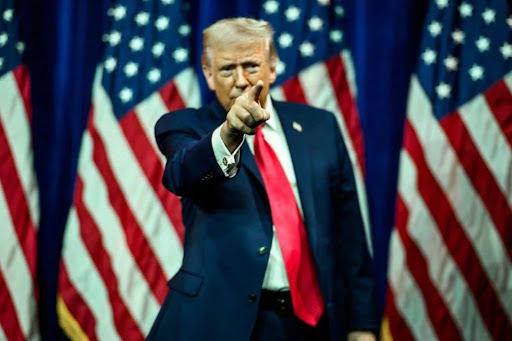
President Donald Trump has issued a final ultimatum to the Iranian leadership, warning that the current peace talks are their last opportunity to avoid total ruin. Trump claimed that Iranian officials are “begging” for a deal in private because their military has been “wiped out” by intensive strikes. He asserted that if the regime does not “get serious” immediately, the U.S. will move to permanently dismantle the nation’s energy infrastructure.
The current geopolitical crisis was triggered by a series of regional escalations that led to a massive U.S. military buildup in the Gulf. The U.S. 15-point ceasefire plan seeks to prevent future aggression by requiring Iran to dismantle its nuclear programs and reopen the Strait of Hormuz. The proposal is viewed by the White House as the only path forward for a nation that has “zero chance of a comeback” on the battlefield.
Iran has countered with its own plan, broadcast via state television, calling for reparations for war damages and an end to targeting of its officials. Tehran has also insisted on maintaining legal control over the Strait of Hormuz, a demand that stands in direct opposition to the “freedom of navigation” principle championed by the U.S. Navy. This stalemate has prevented any meaningful progress toward a formal ceasefire.
The human cost of the month-long conflict has been catastrophic, with over 2,600 combined deaths in Iran and Lebanon and millions of displaced people. The U.S. military has also suffered 13 fatalities, further intensifying the pressure on the Trump administration to reach a definitive conclusion. As missile strikes continue across the region, the risk of a broader regional collapse remains a significant concern.
President Trump’s warning that there will be “no turning back” underscores the high stakes of the upcoming April 6 deadline. He has signaled that he is willing to wait for a diplomatic breakthrough but is prepared to “unleash hell” if the opportunity is wasted. The international community is now looking toward mediators in Pakistan to see if they can bridge the massive gap between Washington and Tehran.