
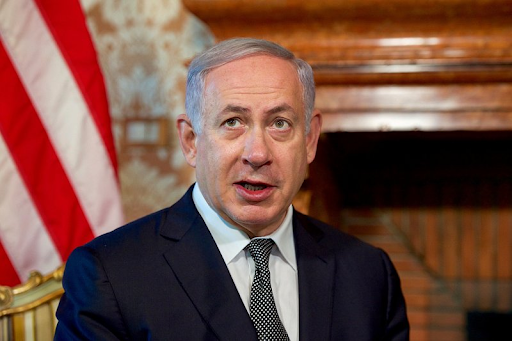
The aftershocks of Israel’s war with Hezbollah are creating an unprecedented diplomatic landscape, with Prime Minister Benjamin Netanyahu announcing that peace talks are now active with Syria and possible with Lebanon. On Sunday, he positioned the recent conflict as a necessary disruption that has broken down old barriers to negotiation.
The fall of the Assad government in Syria has been the primary catalyst, ending decades of entrenched hostility and opening the door for direct talks with Israel. The new Syrian leadership appears keen to move forward, with one official suggesting that security agreements could be finalized within months, a truly historic development.
In Lebanon, the aftershocks are felt differently. Israel continues to apply military pressure on Hezbollah despite a ceasefire, while the United States applies diplomatic pressure on the Lebanese government. The goal is the same: the disarmament of Hezbollah and the strengthening of the Lebanese state, which has now begun to take concrete steps in that direction.
Netanyahu presented this new reality as a direct consequence of Israeli military policy. “Our victories… have opened a window for a possibility that was not even imagined,” he told his cabinet. While he confirmed “some progress” with Syria, he was careful not to overstate the proximity of a final deal.
These diplomatic tremors are being felt on the ground. Syria is negotiating the terms of an Israeli withdrawal from occupied territories, contingent on the creation of a demilitarized zone. In Lebanon, the government has officially ordered its military to begin disarming Hezbollah, with a focus on the border with Israel, a move that could dramatically reduce tensions.