
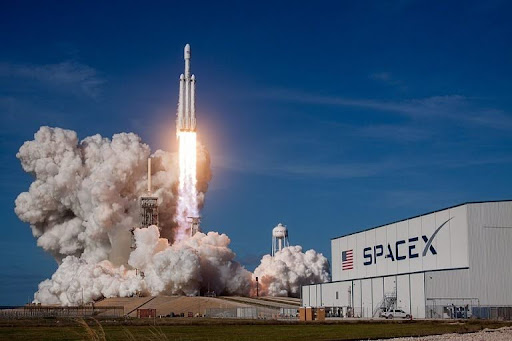
SpaceX has entered the public market with one of the most significant initial public offerings in history, as its shares opened at $150 each. The stock quickly appreciated in value, propelling the company’s valuation beyond $2 trillion by the close of its first day of trading. This milestone IPO has not only captivated investor interest but also substantially increased the net worth of CEO Elon Musk, who is now recognized as the first trillionaire, with his wealth surpassing $1 trillion.
The rapid rise in SpaceX’s stock price is a testament to the overwhelming investor enthusiasm for the company’s ventures in space exploration and satellite internet services. The leadership at SpaceX reiterated their commitment to their ambitious goals of advancing space travel and fostering human expansion beyond our planet. The IPO’s structure was notably unconventional, as it set a fixed initial share price rather than employing a traditional price range, which, combined with high pre-trading investor interest, contributed to the brisk increase in value once public trading commenced.
Despite the impressive market debut, SpaceX has yet to achieve profitability, as it continues to report considerable operating losses in its financial statements. This financial position is largely attributed to the company’s substantial investments in aerospace infrastructure and the development of its satellite networks. As revenue continues to grow, analysts remain attentive to how these investments will impact the company’s long-term financial health.
The record-setting valuation of SpaceX has sparked discussions concerning market concentration and associated risks, particularly given the company’s vast scale and Elon Musk’s substantial voting control. As SpaceX navigates its new status as a public entity, these considerations will likely remain at the forefront of investor and market analyst discussions.