
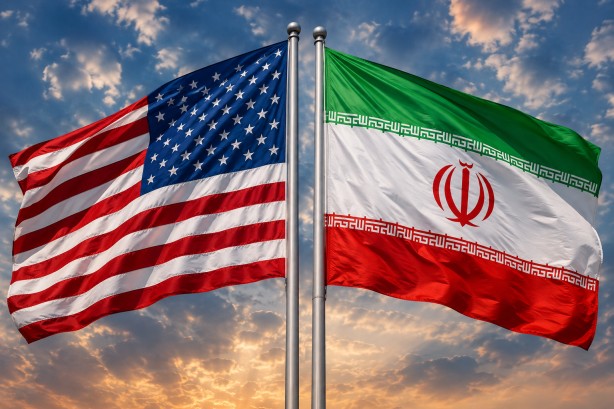
The fragile ceasefire between the United States and Iran has been severely tested following a series of intense military exchanges. The United States launched airstrikes on approximately 80 sites tied to Iranian military operations, citing a need to protect freedom of navigation in the Strait of Hormuz. These airstrikes were a direct response to Iran’s recent attacks on three commercial vessels transiting the crucial maritime passage.
In retaliation, Iran unleashed missiles and drones targeting U.S. military bases located in Bahrain and Kuwait. Additionally, Iran unveiled a new military doctrine, indicating that it would consider both the United States and its regional allies as equivalent targets in any forthcoming hostilities. This new stance has further strained the already tenuous ceasefire that aimed to pave the way for discussions on Iran’s nuclear ambitions, sanction relief, and long-term security in the Strait of Hormuz.
President Donald Trump has issued a stern warning that the U.S. is ready to undertake further military measures if Iran persists with its attacks. Despite this, he expressed confidence that the conflict would not spiral into an enduring war. The situation has rekindled apprehensions about the security of the Strait of Hormuz, a vital conduit for global energy supplies, contributing to a surge in oil prices worldwide.
The United States maintains that Iran’s recent actions against commercial shipping in the Strait violate international norms of maritime security, justifying its military response. Meanwhile, Iran continues to assert its right to manage shipping through the waterway. These conflicting positions have further complicated efforts to maintain peace and order in the region, underscoring the complexities involved in achieving a lasting resolution.