
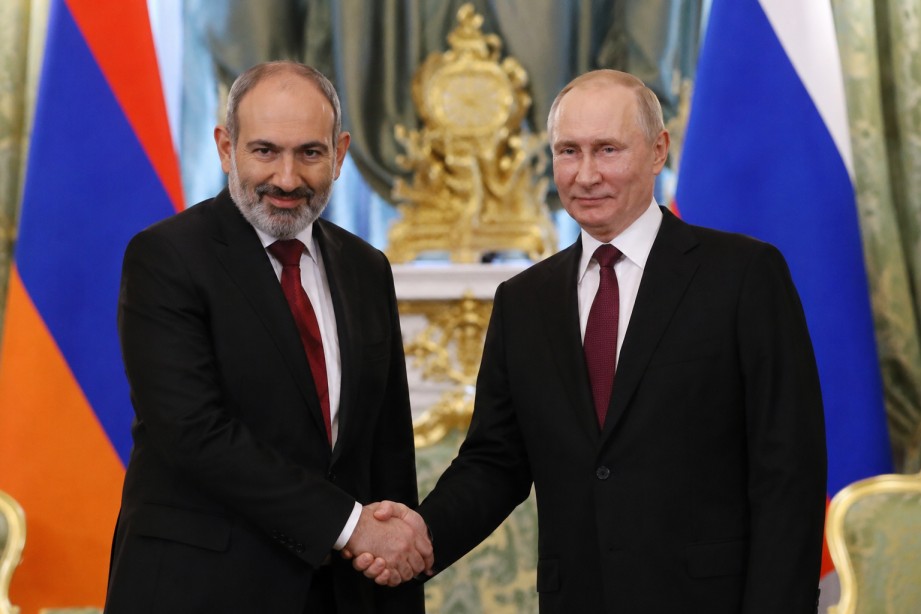
Armenian Prime Minister Nikol Pashinyan has embarked on his inaugural visit to Russia following his re-election, choosing Yekaterinburg as his destination to partake in the annual Innoprom industrial exhibition. During this visit, he also engaged in discussions with Russian Prime Minister Mikhail Mishustin. This diplomatic move comes at a time when Armenia and Russia are experiencing heightened tensions, largely due to Russia’s recent restrictions on the import of several Armenian products, citing concerns over health and safety standards. Armenia has countered these claims, suggesting that the restrictions have adversely impacted its economic and trade sectors.
In his talks, Pashinyan emphasized Armenia’s dedication to sustaining its relationship with Russia and reaffirmed its active involvement in the Eurasian Economic Union (EAEU). While acknowledging that there are ongoing bilateral issues that need addressing, he expressed optimism that dialogue could pave the way for resolving these critical matters. His visit underscores Armenia’s strategic balancing act as it navigates its foreign relations amidst complex geopolitical dynamics.
The backdrop to these developments is the ongoing strain in Armenian-Russian relations, which has intensified since the 2023 conflict in Nagorno-Karabakh. This conflict has seen Yerevan increasingly seek to fortify its ties with the European Union, even as it continues to engage in dialogue with Moscow. The dual approach reflects Armenia’s broader strategy to diversify its international partnerships while managing traditional alliances.
Pashinyan’s visit to the Innoprom exhibition in Yekaterinburg also highlights Armenia’s interest in exploring industrial and technological collaborations with Russia. The exhibition serves as a platform for showcasing innovations and fostering partnerships across various sectors, aligning with Armenia’s economic priorities.
As Armenia navigates these diplomatic and economic challenges, Pashinyan’s visit to Russia represents a significant step in addressing these multifaceted issues. By reaffirming commitments and seeking constructive dialogue, both nations have the opportunity to work through their differences and potentially strengthen their bilateral relationship.