
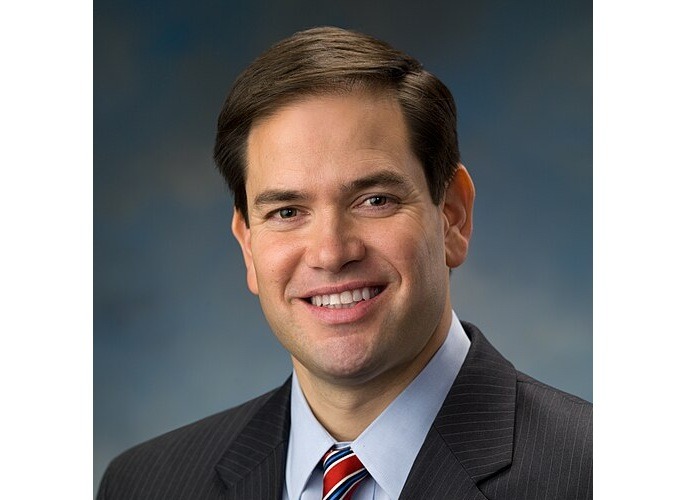
The United States is contemplating the termination of a temporary waiver that has permitted nations, including India, to purchase Russian oil. This waiver, established in March to mitigate disruptions in global energy markets amid Middle East tensions, was revealed by US Secretary of State Marco Rubio. Initially introduced as a short-term solution, the waiver has been extended twice, with the current extension due to conclude on June 17.
During a congressional committee session, Rubio emphasized that the waiver’s primary purpose was to stabilize global oil supplies temporarily. However, he reiterated that the overarching US strategy remains focused on imposing sanctions on Russian energy exports. While the ultimate decision to end the waiver lies with the Treasury Department, Rubio expressed the US’s desire to conclude the waiver as soon as conditions are favorable.
The potential cessation of the waiver could significantly impact India, which has resumed purchasing Russian crude oil. This development came after disruptions in energy supplies from the Gulf region, caused by regional conflicts and shipping uncertainties, particularly around the Strait of Hormuz. Russian oil continues to be a vital source for India due to its competitive pricing and availability.
The US has been actively encouraging India to diversify its energy imports, aiming to reduce its reliance on Russian oil. Recent dialogues between Washington and New Delhi have seen commitments to energy sourcing diversification as part of more comprehensive trade and economic negotiations.
Should the waiver not be extended beyond June 17, India may find itself compelled to further increase imports from alternative suppliers. This shift could potentially lead to higher energy costs and necessitate adjustments in India’s crude procurement strategy.